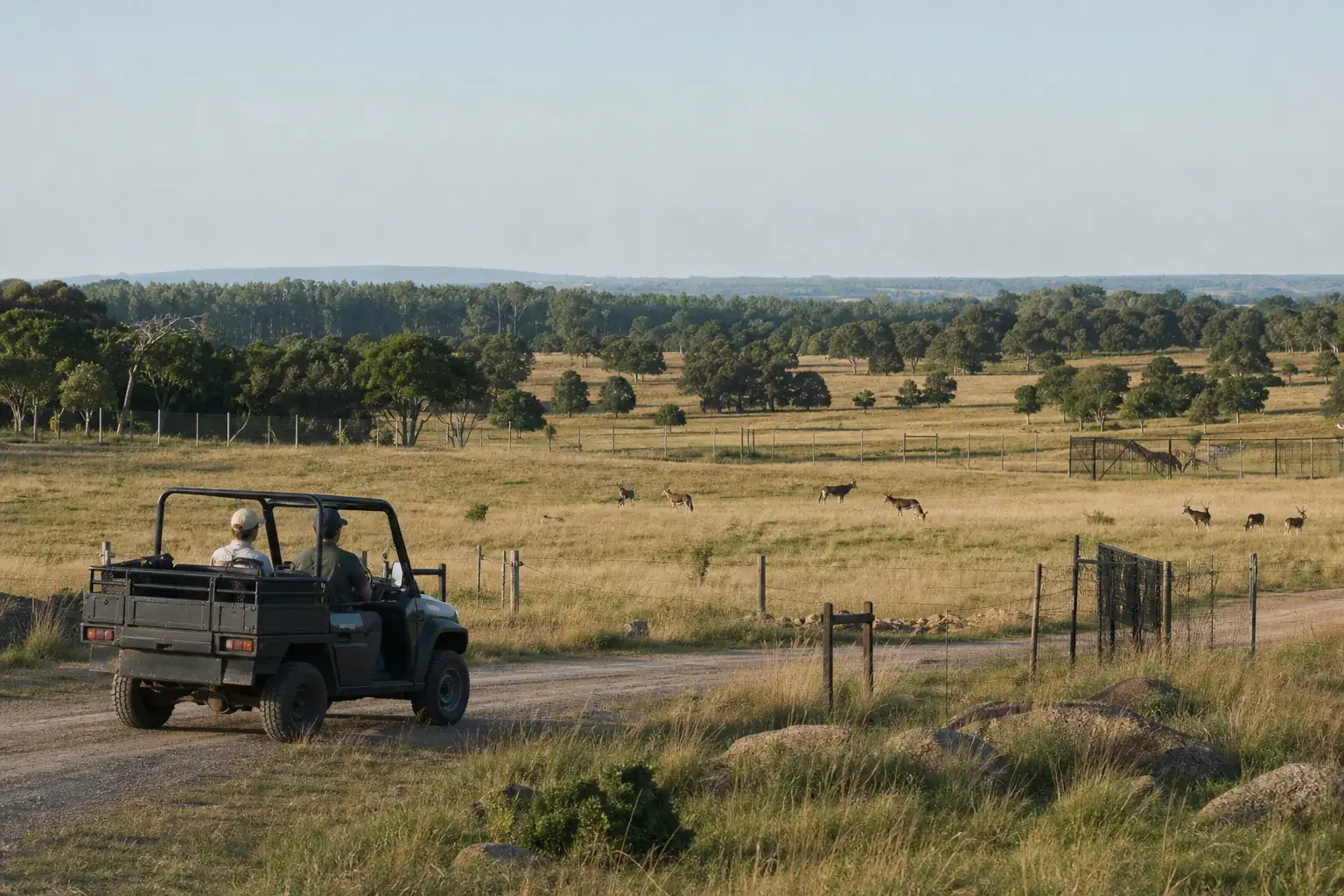
The far fence is one tap away
A broken water line five kilometers out becomes a photo, a map location, and an assignment to the nearest on-shift teammate rather than a radio relay and a guess.
Drive-through parks run on trucks, radios, and distance. EchidnaCare puts animal records, medical history, and maintenance assignments on staff phones, and keeps saving work when the signal drops at the back fence.
Not your kind of facility? Choose againIllustrative dashboard · sample data
Zones
16
Care due
38 today
Open maintenance
8
Staff on site
31
Built for the team actually doing the work
Official records, field logging, medical history, documents, and operations stay connected.
A broken water line five kilometers out becomes a photo, a map location, and an assignment to the nearest on-shift teammate rather than a radio relay and a guess.
Care logs and photos queue on the phone where coverage drops and sync when the truck comes back into range. The record never waits for the office.
Live shift roster, coded emergency messages, SOS alerts with location, and department routing, built for teams measured in acres apart.
Everything a large-acreage operation records, assigns, and reports, from the seat of the truck.
Feeds, weights, observations, and welfare notes logged at the paddock, offline included.
SOAP notes, treatments, and weight trends readable and writable from the truck. Included on every plan.
GPS-pin fences, water lines, pumps, gates, and vehicles as assets. Each one carries an operational status and a signed inspection history, so crews drive straight to the problem.
Every issue tracked from reported to resolved, an aging backlog, and a live view of what's down and what inspection is due today.
Coordinate several sites, browse pairing and surplus listings between facilities, and move animals with their full history. Reversible transfers with dispute paths.
Coded alerts, SOS with location, clock-ins with smart-drafted weekly schedules and payroll timesheets, and consent-based staff location for lone workers.
Census, inventory, and treatment records tied to the live animal data, ready when the question lands.
Migration help is included. We review a sample, agree the supported records and timing, and let your team check the import. Anything you keep as an attachment does not travel — scanned permits, vet imaging, a necropsy PDF. Photos come across as one link per animal. Those files stay where they are and you keep that copy; you re-upload what you need afterwards. We tell you that before we start, not after.
Share a sample export or spreadsheet and tell us about paper records and attachments.
We identify supported fields, explain attachment handling, and agree a migration plan before the move.
Your team checks the imported records against the originals before relying on them for daily work.
A demo built around your acreage: logging without a signal, mapped maintenance, urgent assignments, and the reports your inspections depend on.