
Volunteers can actually use it
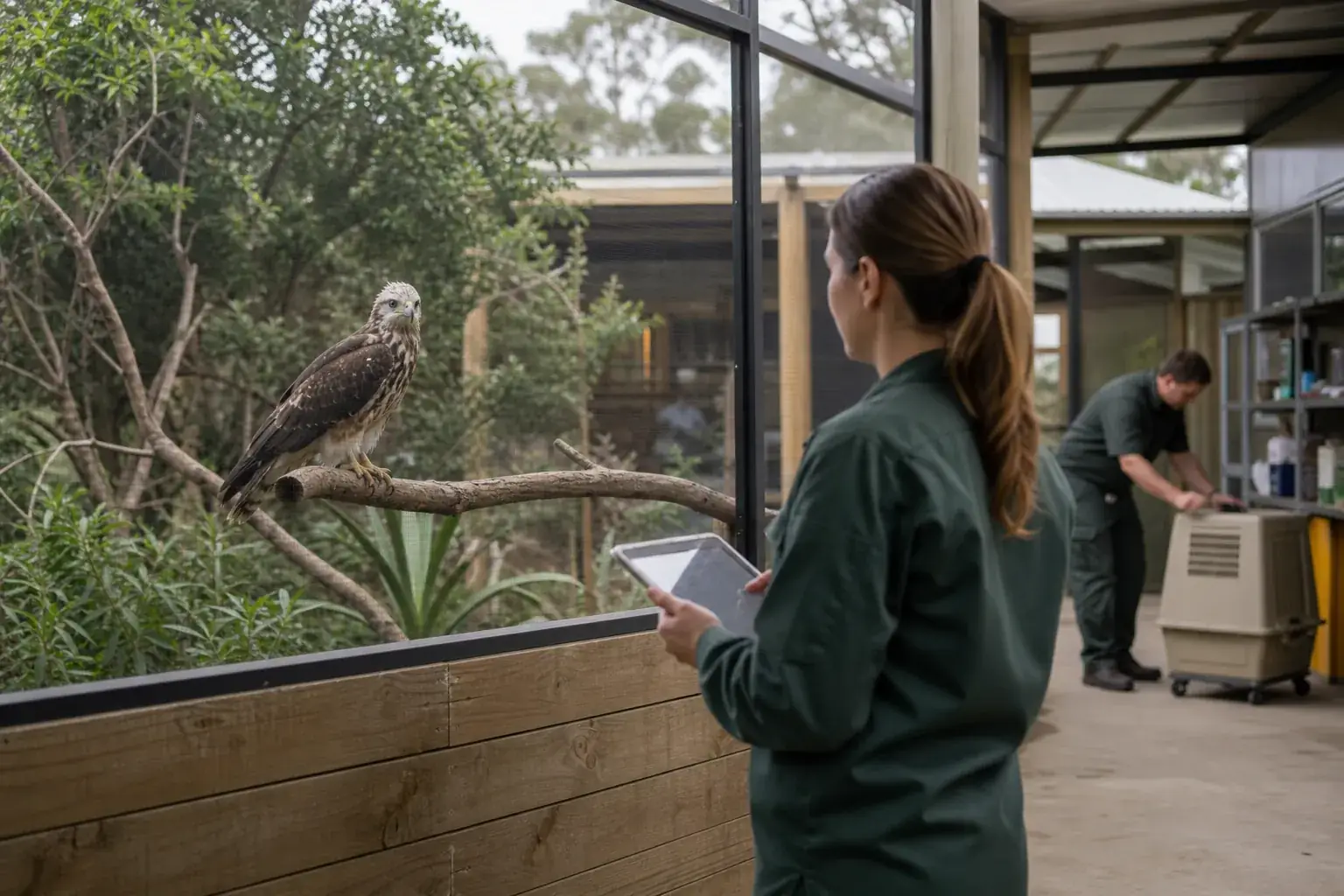
Unlimited seats and phone-first care screens mean the Saturday volunteer logs the feeding the same way staff do. No shared logins, and no per-seat bill for help you don't charge for.
EchidnaCare gives rehabilitation teams intake and quarantine workflows, multi-day treatment plans, daily care schedules, documents and permits, and volunteer-friendly mobile logging, with medical records included on every plan, because in rehab the medical record is the record.
Not your kind of facility? Choose againIllustrative dashboard · sample data
Intakes
7 this week
Doses due
23 today
In quarantine
12
Care tasks
31 open
Built for the team actually doing the work
Official records, field logging, medical history, documents, and operations stay connected.
Unlimited seats and phone-first care screens mean the Saturday volunteer logs the feeding the same way staff do. No shared logins, and no per-seat bill for help you don't charge for.
Every patient gets SOAP notes, treatment plans, medications, weights, and a full clinical timeline on every plan, from intake exam to final disposition.
Intake paperwork, permits, and official documents live beside each animal, and census and inventory exports are ready when your wildlife authority's reporting comes due. USDA/APHIS and state agencies in the US, SINAC in Costa Rica.
SOAP notes, medications, diagnostics, vaccines, rechecks, and clinical history are included, not sold as a separate medical add-on.
Plans are built so the people doing daily care can log records directly instead of sharing accounts or backfilling notes later.
Animal history, documents, and facility records remain downloadable, so switching systems does not create a new lock-in problem.
Staff safety and daily operations are built around consent, appropriate access, and a clear record of important changes.
High intake volume, patients that stay weeks instead of decades, volunteer-heavy staffing, and agencies that expect clean records. EchidnaCare is built for the parts of rehab that spreadsheets and binders drop first.
Active quarantine periods, observations, clearance workflow, and placement warnings when an animal is outside designated quarantine space.
Multi-day courses expand into doses due today, with each given, missed, or refused dose recorded back to the medical history.
Recurring care templates, daily task lists, and skip/complete tracking, built for feeding rounds that repeat every few hours.
Fast phone screens save work without Wi-Fi and upload it later, so care gets recorded in the flight cage instead of remembered at the whiteboard.
Intake files, permits, transfer paperwork, and vet attachments stored beside the animal record, exportable anytime.
Training Lab tracks the behaviors that matter for survival and reduces human dependence before release, alongside the rest of the record.
A public “I found injured wildlife” form on your own site feeds straight into a staff intake inbox. Review each report and convert it into a permanent patient record in one step: origin, location, and finder details carried over.
Feature rescued animals on a public sponsor page with their story. Supporters sponsor an animal or give through your own donation page, and every interested donor lands in your team’s follow-up list.
Migration help is included. We review a sample, agree the supported records and timing, and let your team check the import. Anything you keep as an attachment does not travel — scanned permits, vet imaging, a necropsy PDF. Photos come across as one link per animal. Those files stay where they are and you keep that copy; you re-upload what you need afterwards. We tell you that before we start, not after.
Share a sample export or spreadsheet and tell us about paper records and attachments.
We identify supported fields, explain attachment handling, and agree a migration plan before the move.
Your team checks the imported records against the originals before relying on them for daily work.
Bring your intake volume, your volunteer roster, and your reporting requirements. We will walk through intake, treatment plans, daily care, documents, and migration.